

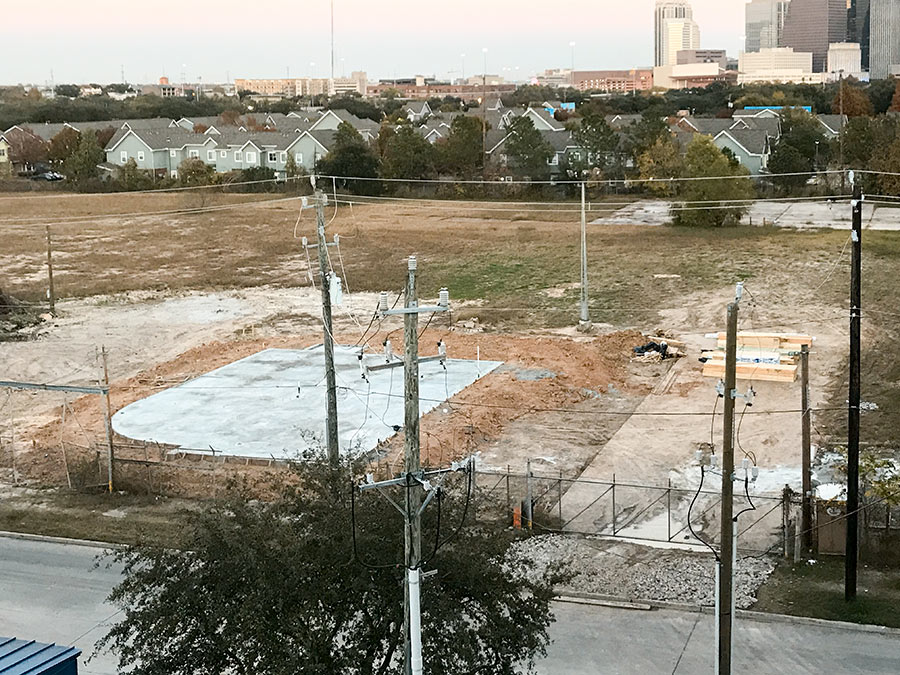
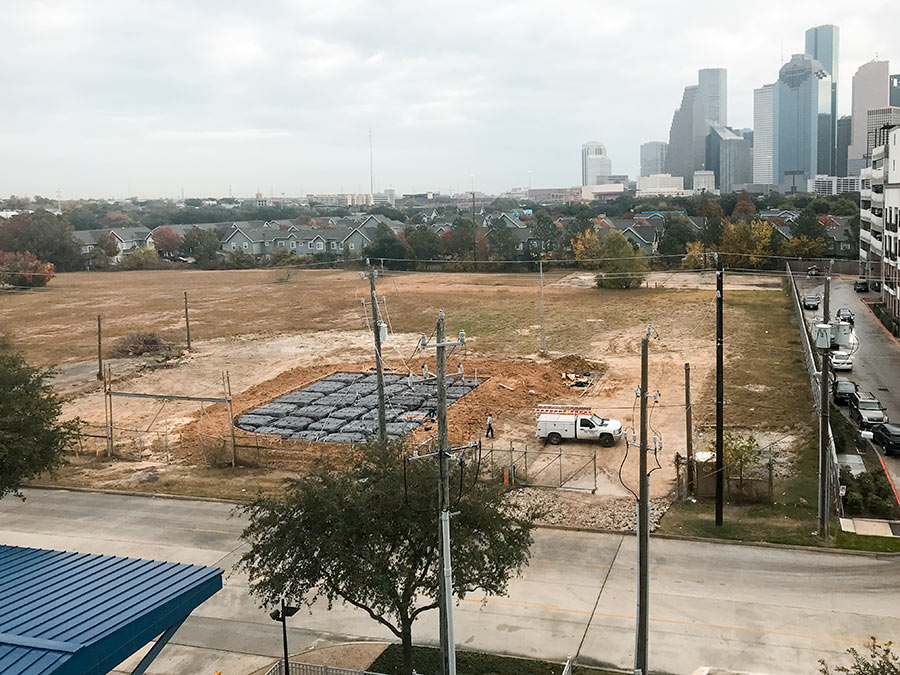
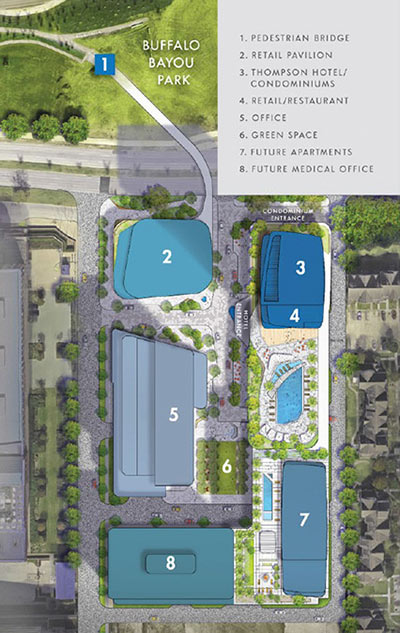
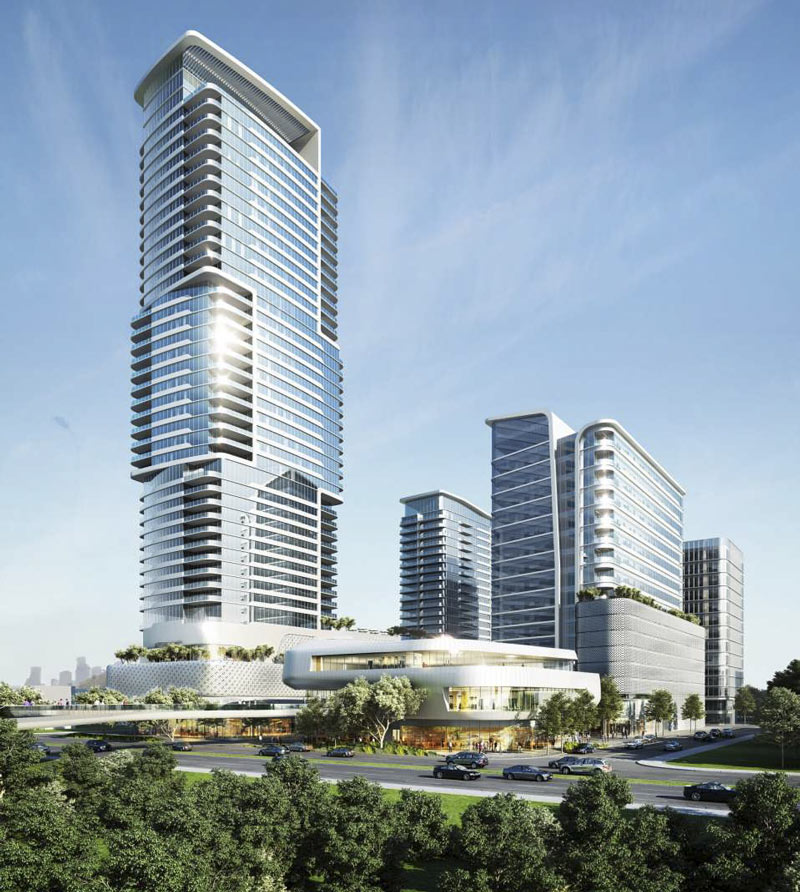
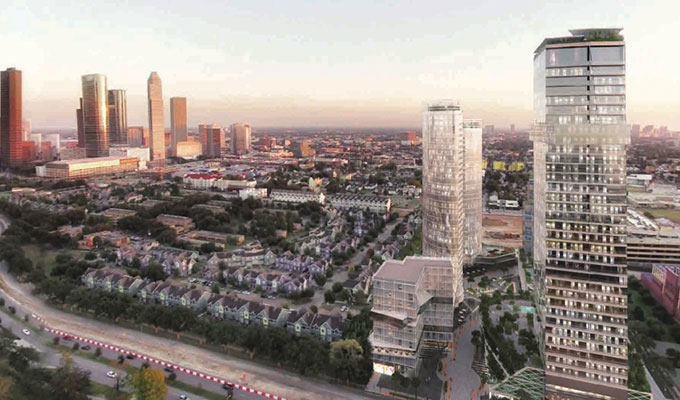
Perched up in the parking garage of the Ashton on West Dallas apartments, a Swamplot reader has been monitoring recent progress on the empty field once home to a garbage incinerator between Allen Parkway Village and the Federal Reserve building. The new flat work shown at top across Gillette St. is the first man-made addition to the 6-acre site since renderings showed a few mixed-use towers including a Thompson hotel, condos, office space, and retail cropping up on it last year.
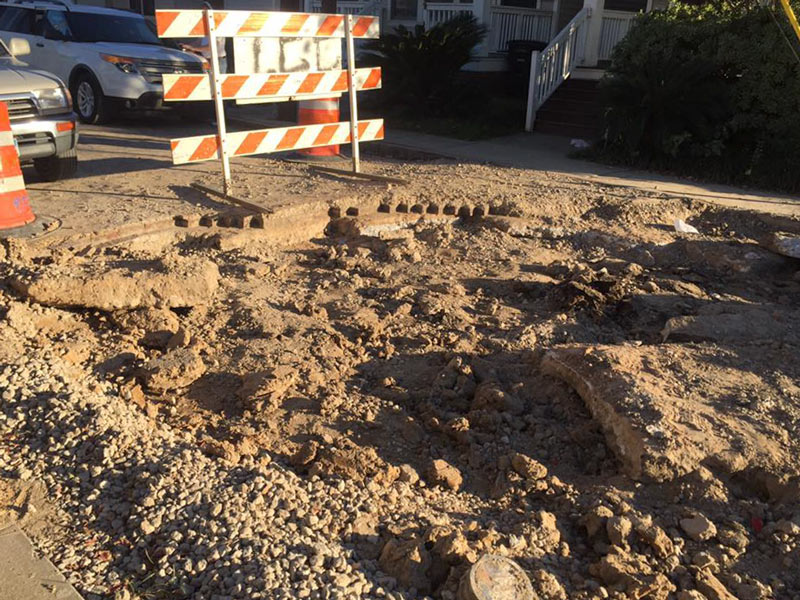
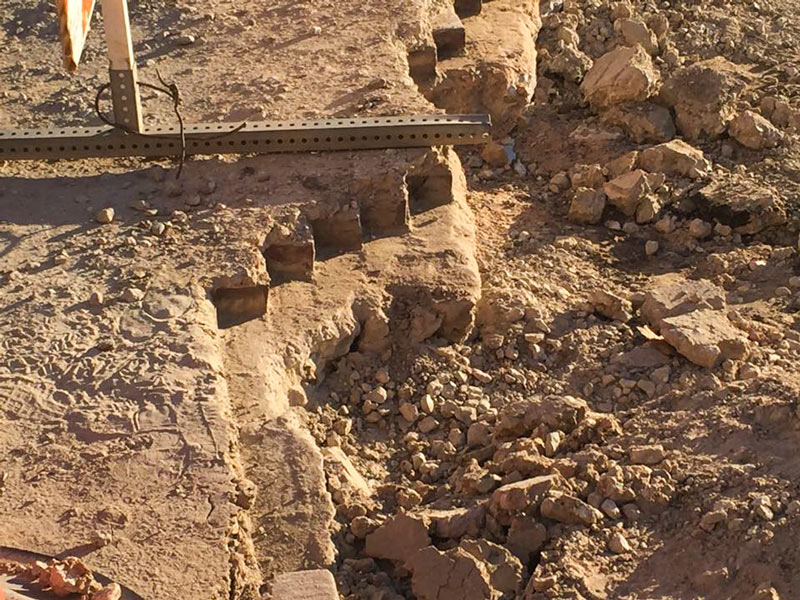
Crews began clearing the southwestern corner of the property for the new pad 3 weeks ago by busting up some older concrete that stood in its way. Next, they took their work underground:
The Allen



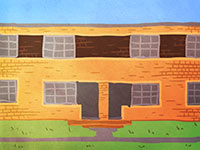 “. . . Back in the 1920s, the 4th Ward was Houston’s version of Harlem during the Harlem Renaissance. Racist white city officials did not want a thriving African American community right next to a rapidly growing downtown and demolished a huge section of the community to build public housing (the decisive blow to the 4th ward would be extending the freeway through the community, effectively cutting it off from downtown). APV was designed by MacKie & Kamrath and was intended to be public housing. It ended up as all white housing for veterans. Eventually, African Americans moved in as whites moved out and headed to the suburbs. In the ’70s, as the City was booming again, City officials wanted to demolish APV as it, and much of the rest of the 4th ward, was falling into disrepair. Every single move after that was just controversy on top of controversy. The City was accused of moving Vietnamese immigrants into APV to dilute the number of African Americans who opposed demolition. Then, there was a big master plan project proposed to redevelop the entire area, a court case over demolition of APV and designation of APV and the Fourth Ward on the national register of historic places. In the end, more than half was demoed and replaced with new apartments in 2000. The original MacKie & Kamrath designed buildings are architecturally and historically significant. But, like the history of the 4th ward, Houston’s transient population knows very little about the trials and tribulations behind APV. So, it is an easy target to troll for hate on preservationists.” [
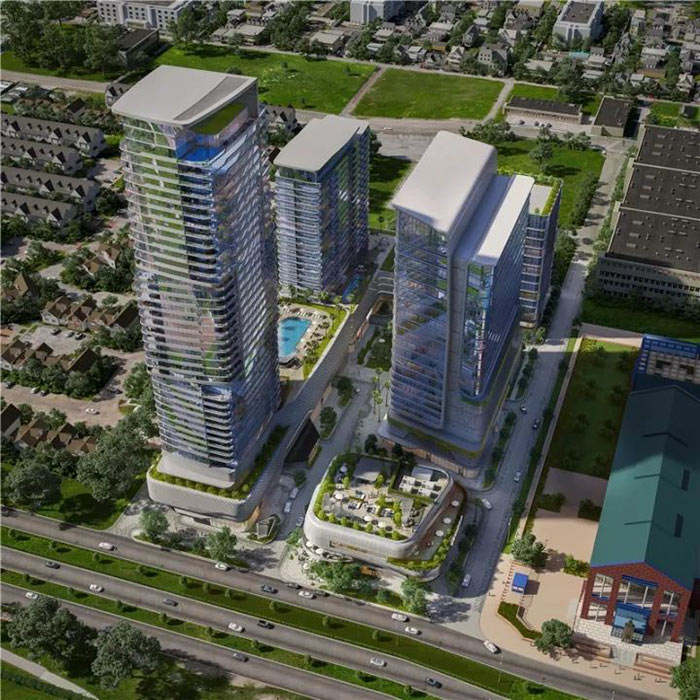 “. . . In an ideal world, I think that the City should’ve recognized that there was an opportunity for the HHA to acquire this site and work with a private-sector master developer to completely demolish the existing complex and integrate government housing into a much more intensively developed project on this extremely high-profile site. Doing so would’ve bypassed some of the issues that they’ve since encountered with the adverse SCOTUS ruling. It wouldn’t have been cheap, but it would’ve also tastefully incorporated government housing into a project that could have mitigated the externality of APV on the areas around it and established an open street grid. Doing so would’ve made everything around there and along the Buffalo Bayou much more desirable and accessible, and leveraged the tax base upward over a large area. However, that also wouldn’t have been uncontroversial; some people think that the original Allen Parkway Buildings are architecturally significant enough to warrant their preservation. In any case, that ship probably has sailed. . . .” [







 Following last month’s